


For mums who are new to pumping, one of the first things to consider when starting is finding the right flange size. Most breast pumps come in a wide variety of flange sizes, and sometimes, you may be tempted to make a rough guess on which one fits you the most. However, the size of the flange can make all the difference to how comfortable and efficient your pumping sessions are. This flange size guide will walk you through the steps of measuring your flange size so you can ensure a successful pumping experience.
What Is a Flange and Why Does Its Size Matter?
The flange or breast shield is the funnel-shaped piece of breast pump that fits directly over the nipple. It forms a vacuum seal around the areola to create the necessary suction to extract milk. Since nipples vary in size, breast flanges should be tailored to every individual to ensure a proper, more comfortable fit.
A correctly sized flange allows the nipple to move freely within the tunnel without rubbing or pinching, which keeps pumping comfortable. When the fit is right, the pump can also create a good seal, so each session is quicker and more efficient.
Related: How to Clean Breast Pump Flanges?
How Do You Find The Perfect Flange Size For Your Needs
To identify the right flange size for you, the first step is to measure your nipple. Keep in mind that you may need different flange sizes for each breast, so it’s best to get the individual measurements for both nipples. Here are two ways to measure your nipple size:
Method 1: Using a Ruler
-
Hold the ruler over your nipple at a perpendicular angle. The 0 scale should be aligned with the base of your nipple. Do not include the areola (pigmented area around the nipple) in the measurement.
-
Get the millimetres between the base (starting from 0) and the top of the nipple.
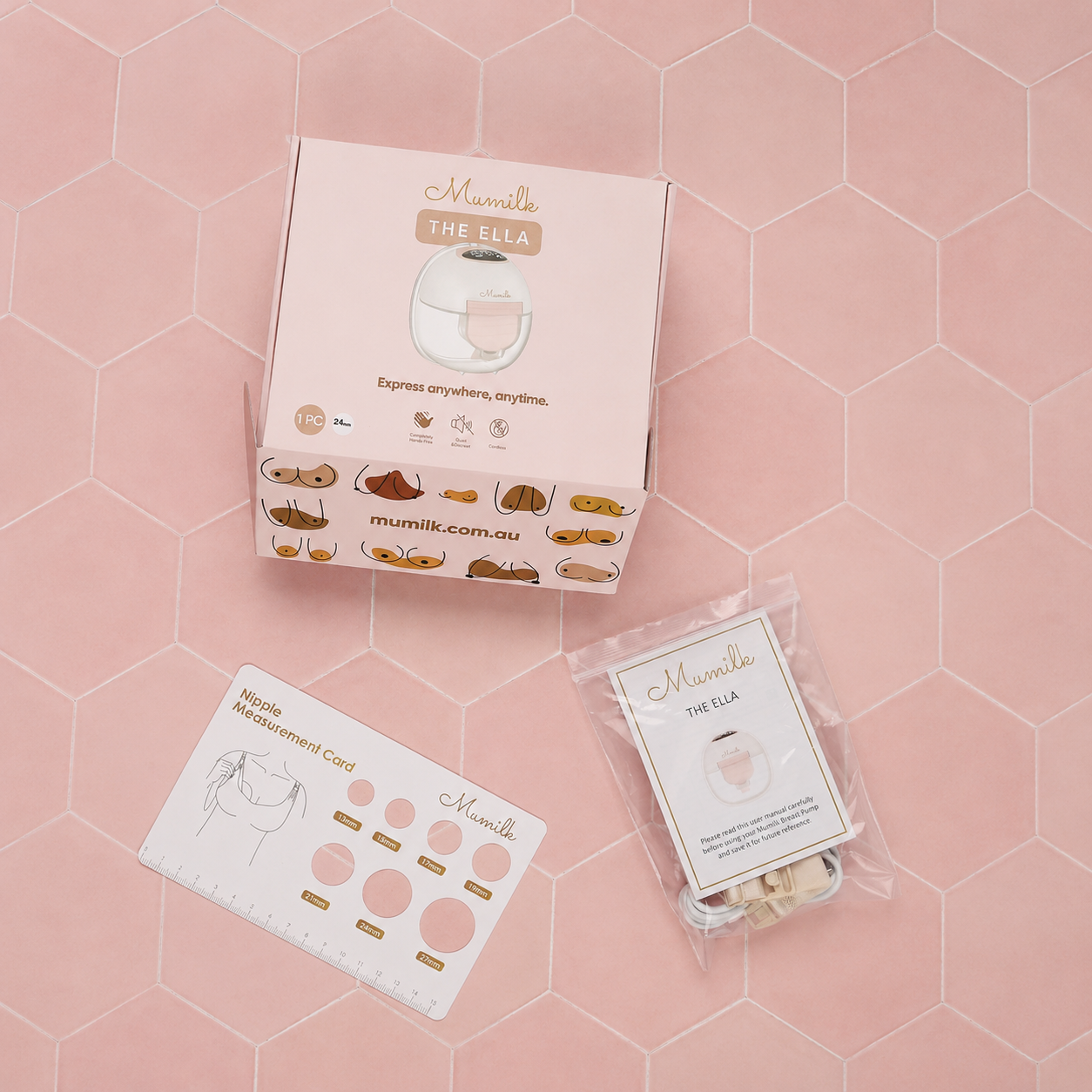
 Method 2: Using a Nipple Measurement Card
-
Gently insert your nipple into the holes, starting with a larger size and working your way down to a hole that fits snugly around the base of your nipple. The correct hole should fit around the nipple without squeezing it.
-
Note down the corresponding measurement.
Mumilk’s Breast Pump Flange Size Chart
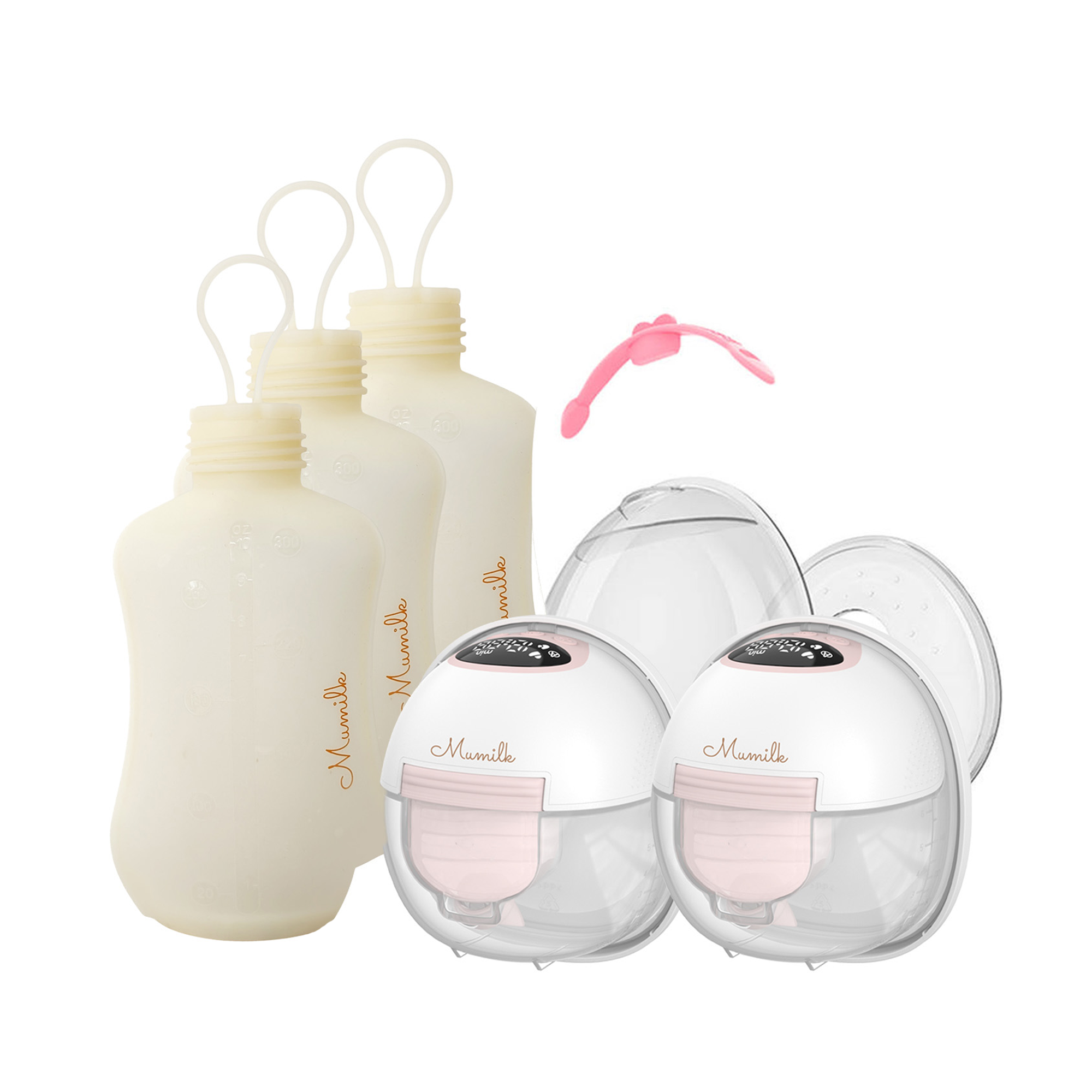
Mumilk breast pumps come with two flange sizes upon purchase: 24mm and 27mm. However, if you need a smaller size, you can get a flange insert for a better and more comfortable fit. Because nipples naturally stretch a little during pumping, it’s recommended to size up and choose a flange 1 to 3mm larger than your measurement to ensure a more comfortable fit.
|
Nipple Measurement |
Recommended Size |
What Should I Purchase |
|
10-11mm |
13mm |
|
|
11-13mm |
15mm |
|
|
13-15mm |
17mm |
|
|
15-17mm |
19mm |
|
|
17-20mm |
21mm |
|
|
21-23mm |
24mm |
Included in the Mumilk breast pump |
|
24-26mm |
27mm |
Included in the Mumilk breast pump |
Note: Every mum is unique. While this breast pump flange size guide works for many, it’s essential to pay attention to your own comfort and milk output. If something doesn’t feel right despite following the chart, talk to a lactation consultant to ensure you’re using the best size for your individual needs.
How Will You Know When A Breast Pump Flange Fits Properly?
To determine if your breast pump flange fits properly, you can perform the COMFY test, which assesses precise flange sizing and comfort during pumping.

-
Centre nipples should move freely within the tunnel.
Nipples shouldn’t rub against the sides of the tunnel during pumping. If the nipple is pressed against the sides, the flange may be too small.
-
Only a small portion of the areola should be pulled into the tunnel.
Only a small part of the areola should be drawn into the flange. If too much areola is pulled in, it could indicate that the flange is too large.
-
Motion of the breast should be gentle and rhythmic during pumping.
The pumping action should feel smooth, with gentle and rhythmic breast motion. If suction is weak or inconsistent, it could be a sign that the breast shield size is incorrect, leading to air leaks and less efficient sessions.
-
It should feel comfortable.
Pumping should feel comfortable from start to finish.
-
It should yield well-drained breasts.
Your breasts should feel softer and lighter after each pumping session.
What Happens When You Use The Wrong Flange Size?
Using the wrong flange size isn’t just uncomfortable. An ill-fitting flange won’t create a good seal, so sessions can take longer and feel less efficient. Measuring takes a couple of minutes and makes every session easier.
The Bottomline
The flange may just be a small component of the breast pump, but its importance cannot be overstated. A properly fitting flange ensures not only comfort during pumping but also helps the pump create a good seal. Take the time to measure and choose the correct flange size to ensure a comfortable and effective pumping experience for you and your little one.
For a smooth pumping experience, Mumilk’s wearable breast pumps offer a range of flange inserts and adjustable settings to help you find a comfortable setup. Designed with convenience and efficiency in mind, these pumps allow you to customise your setup and ensure the right fit for your unique needs. Whether you’re at home or on the go, Mumilk’s breast pumps provide flexibility and ease to help you fit pumping around your day, comfortably.
FAQ
1. Will my flange size change?
Your body changes after pregnancy, so it’s possible that your flange size also changes over time. Additionally, breasts tend to soften around six weeks after birth. Pay attention to how pumping feels and re-measure if the fit changes.
2. What happens if the breast flange is too small or too big?
A flange that’s too small can pinch and rub, which makes pumping uncomfortable.
On the other hand, a flange that’s too large won’t provide adequate suction, and may pull in too much of the areola, which makes it harder to keep a good seal. If you’re unsure, try the next size and see how it feels, or ask a lactation consultant.
3. Does flange size affect pumping?
Yes, flange size makes a big difference to how pumping feels. A well-fitting flange creates a good seal, so the pump can work as it’s designed to. If the flange size is wrong, sessions can feel less comfortable and take longer.
4. Is it better to size up or down in flange size?
Generally, it’s recommended to size up with a flange 1 to 3mm larger than your nipple measurement to accommodate the changing length and stretch of the nipple when pumping.
5. Why do my nipples look bigger when I pump?
It’s normal for nipples to stretch a little during pumping or feeding. If they stretch a lot or rub the sides of the tunnel, try a lower suction level or check your flange size.
6. What size flange is most common?
The most common flange size is 24mm, which is also what comes with Mumilk breast pump kits. However, it’s important to measure your nipple size to determine the best fit for your unique needs, as smaller or larger flanges may be necessary.
Share:
How to Clean Breast Pump Flange? (Step-by-Step Guide)
How to Clean Breast Pump Flange? (Step-by-Step Guide)