


You pump, label and freeze your milk, then a few days later you thaw a bag and it smells a bit soapy or tastes slightly metallic. If that's happened to you, you're definitely not alone, and it doesn't mean all that pumping has gone to waste.
Here's why it happens and some practical things mums commonly try.
Why does it happen?
Breast milk naturally contains an enzyme called lipase, which breaks down the fats in milk. In some mums' milk, this happens a little faster once the milk is stored. As the fats break down, the milk can start to smell or taste soapy or metallic. For some mums this shows up after a day in the fridge, for others only after freezing.
It's simply one of the many ways every mum's milk is a little different.
How to check
Before you put it down to lipase, rule out the everyday things:
- Make sure pump parts and containers are thoroughly cleaned after every session. Our guide on how to clean breast pump flanges walks you through it.
- Store your milk straight after pumping rather than leaving it sitting out.
Then try a simple test. Express a small amount, taste or smell it fresh, and put it in the fridge or freezer. Check it again after a day or two. If it was fine fresh and changed after storing, the change is likely to be the lipase at work.
What mums commonly try
If your baby isn't keen on the taste of your stored milk, here are a few things to try.
- Scald fresh milk before storing. Heat freshly expressed milk in a pan or bottle warmer until small bubbles form around the edge (no hotter than about 82°C), without letting it boil. Cool it quickly in a bowl of iced water, then store it in the fridge or freezer as usual. Scalding works on fresh milk, before the change happens, so it won't fix milk that already smells soapy.
- Mix it with fresh milk. Combining stored milk with freshly expressed milk can soften the flavour.
- Add it to solids. If your baby has started solids, you can stir stored milk into cereal, porridge or smoothies.
- Use stored milk sooner. The longer milk sits, the more the flavour can change, so rotate your stash and use the oldest first.

How to store expressed milk
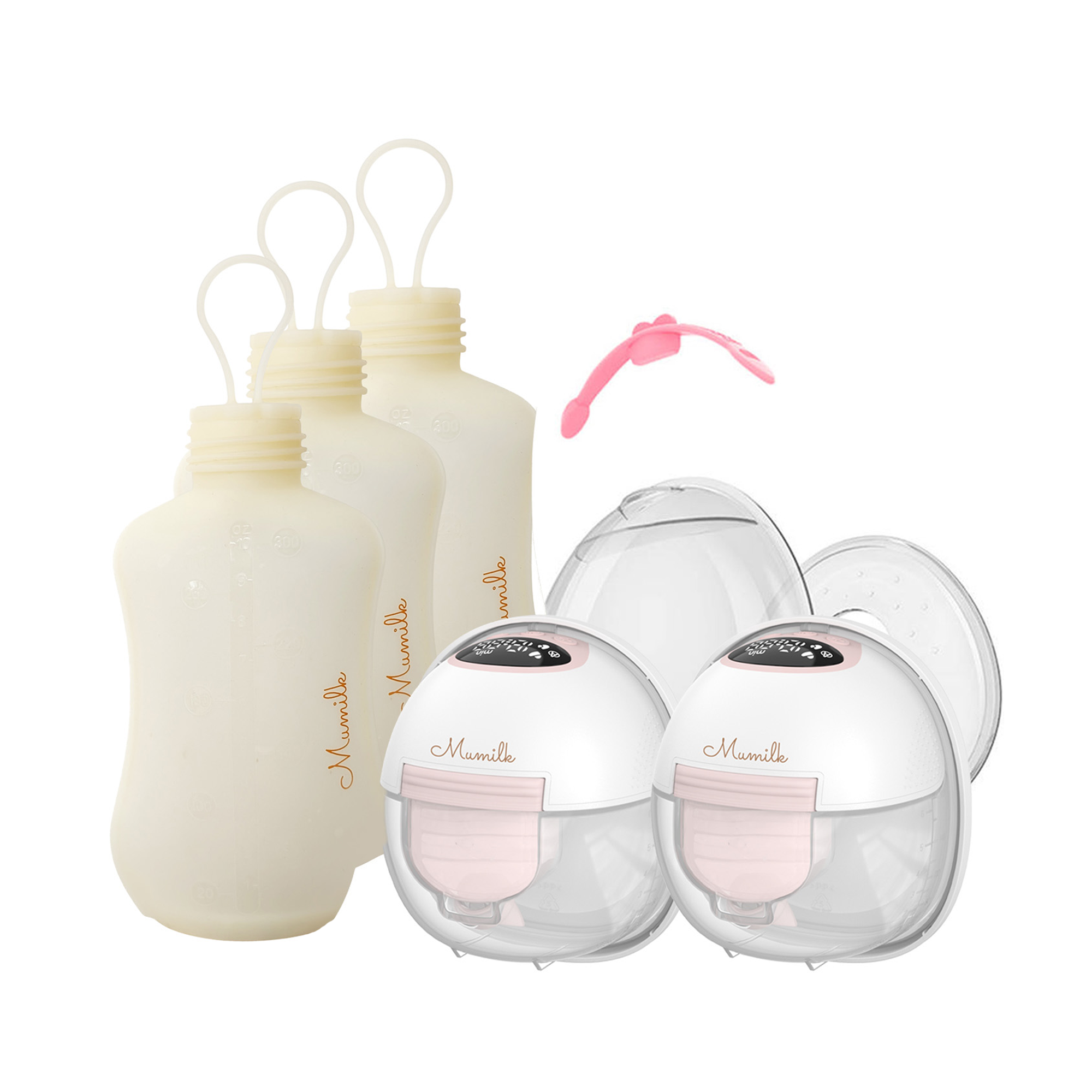
- Use clean, BPA-free breast milk storage bags and label each one with the date and time you expressed.
- Don't fill bags to the brim. Leave a little room for the milk to expand as it freezes.
- Store milk at the back of the fridge or freezer, where the temperature is most steady.
General storage guidelines for freshly expressed milk:
| Where | Best within | Up to |
|---|---|---|
| Room temperature (16 to 29°C) | 4 hours | 6 to 8 hours in very clean conditions |
| Fridge (4°C) | 4 days | 5 to 8 days in very clean conditions |
| Freezer (-18°C or colder) | 6 months | 12 months |
For warming milk back up, see our guide on whether you can reheat breast milk.

Every mum's milk is different
A change in smell or taste after storage is just one of the ways milk varies from mum to mum. Try a few of the tips above and see what works for you and your bub. If something doesn't feel right, talk to your midwife, GP or a lactation consultant.
FAQs
Why does my milk smell soapy after freezing?
As stored milk sits, the fats in it slowly break down, which can give it a soapy or metallic smell. It's usually the time in storage rather than the freezing itself that makes the difference.
Does freezing cause it?
Not on its own. The change comes from the time the milk spends stored. Using your milk sooner and rotating your stash can help.
How is this different from milk that has gone off?
Milk that has changed after storage usually smells soapy or metallic. Milk that has gone off smells sour or rancid, like spoiled dairy, and may look clumpy. If it smells off, or you're unsure, throw it out.

Share:
Easy, Nourishing Snacks and Meals for Busy Breastfeeding Mums
Breast Milk Colours: Why Your Milk Can Look Different